From Typos to Triumphs: My Content Creation Journey with Dyslexia
. My story is about beating these hurdles and finding sucess. It's a journey of overcoming challenges that I'm excited to share.
Looking back, my journey with content creation was shaped by dyslexia. Despite early setbacks, I turned my weaknesses into strengths. My story shows the power of never giving up.
 A vibrant and inspiring scene of a creative workspace filled with scattered papers, colorful drawings, and a laptop showing vivid content creation. In the background, sunlight pours through a window, illuminating a wall decorated with art and motivational quotes. An open book lies among the materials, symbolizing learning and growth, while a coffee cup sits nearby, suggesting a relaxed yet productive atmosphere.
My journey in content creation has been life-changing. I'm proud to have overcome huge obstacles. My story encourages others to follow their dreams, no matter the challenges they face.
Key Takeaways
Embracing your unique strengths and weaknesses is crucial for success in content creation
Overcoming challenges is an essential part of personal growth and development
Dyslexia can be a significant obstacle, but it can also be a catalyst for creativity and innovation
Persistence and perseverance are key to achieving success in content creation
My content creation journey is a testament to the power of turning weaknesses into strengths
With the right mindset and support, anyone can overcome the challenges of dyslexia and achieve success in content creation
The Early Struggles: Discovering My Dyslexia
As a child, I faced learning differences that made reading and writing hard. School tasks were a constant struggle. I mixed up letters and numbers, and my handwriting was hard to read.
My teachers noticed my dyslexic thinking in elementary school. They praised my creativity but worried about my reading and writing. This led to tests and a diagnosis.
First Signs in School
In school, I felt like I was falling behind. I got frustrated with my reading and writing. But my teachers and parents were always there to support me.
The Diagnosis Process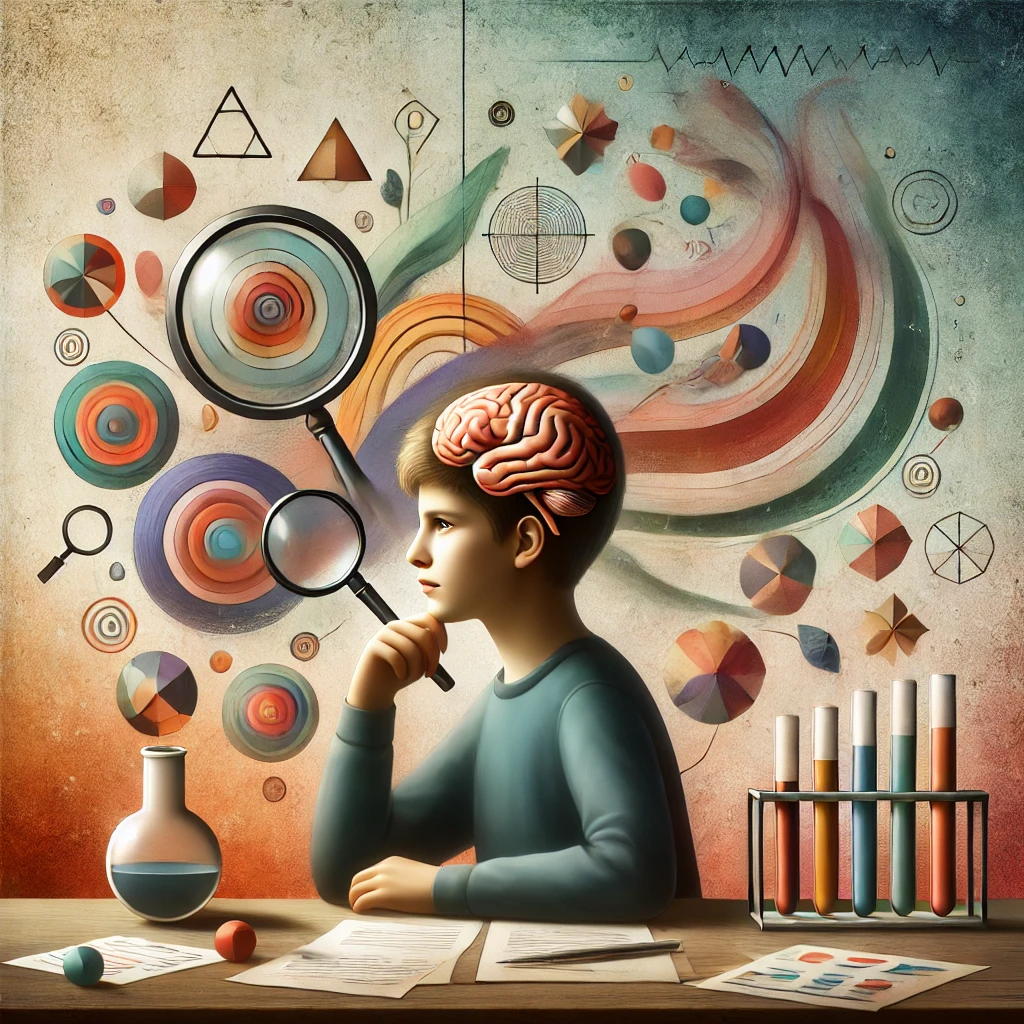
The diagnosis journey was long and tough. I went through many tests to find my strengths and weaknesses. This helped me understand my learning differences and find ways to succeed.
Initial Impact on Writing Dreams
My diagnosis made me doubt my writing dreams. I thought my dyslexic thinking would stop me. But with support, I found ways to work with my learning differences and reach my goals.
ChallengeSolution
Difficulty with reading
Audio books and text-to-speech software
Struggling with writing
Dictation software and writing assistants
Organizational issues
Planners, calendars, and reminders
Breaking Through the Barriers of Traditional Writing
Dealing with dyslexia made me realize there's more than one way to write. I looked into different content creation strategies to beat my writing hurdles. Using writing assistance tools was a game-changer, making it easier to create quality content.
Adaptive technology changed my writing game. It let me focus on the creative side, not just the writing. Tools like voice-to-text and editing platforms boosted my speed and accuracy. This way, I could dive deeper into my ideas and connect better with my readers.
Improved writing speed and efficiency
Enhanced accuracy and attention to detail
Increased creativity and productivity
Thanks to these tools and strategies, I found my unique voice. It showed me that with the right content creation strategies and adaptive technology, anyone can write their way to success.
How Dyslexia Shaped My Creative Process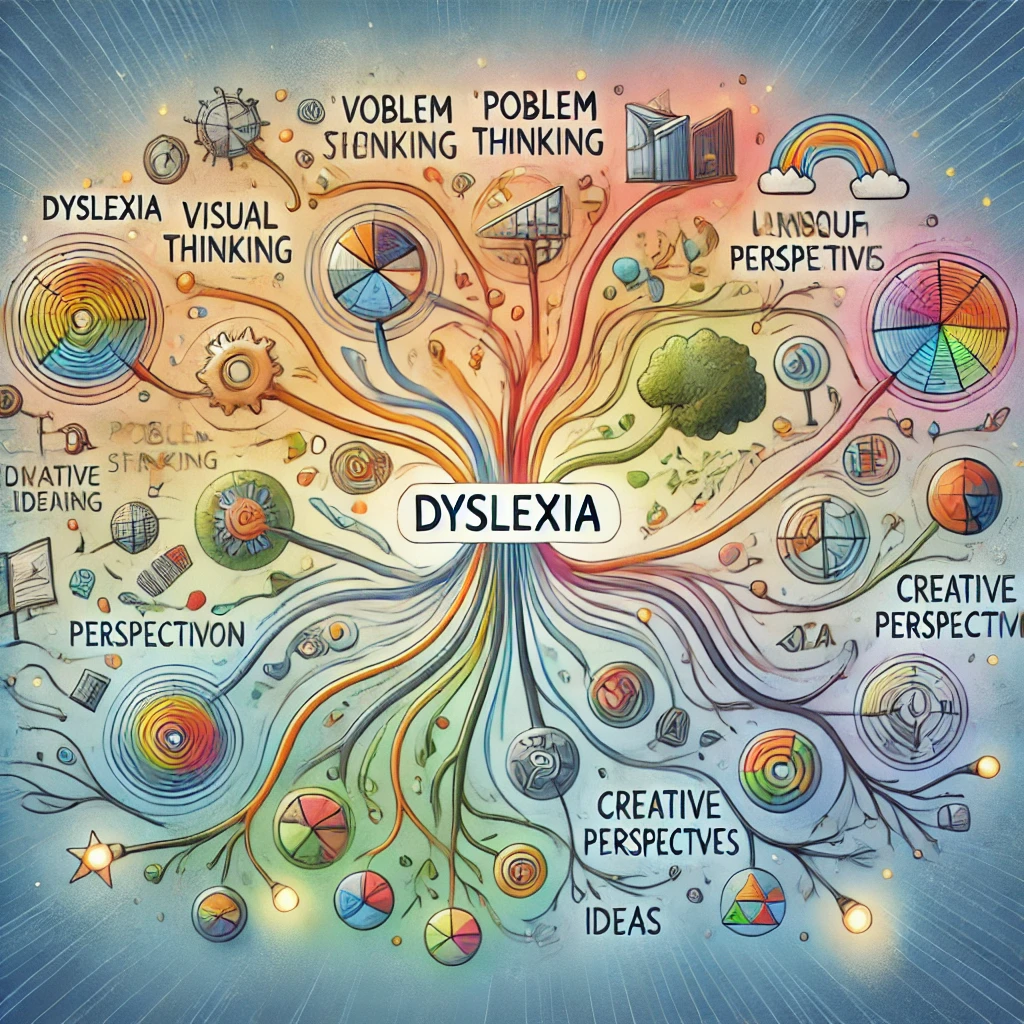
Embracing dyslexic thinking has changed my creative processfor the better. It lets me see problems in new ways. My visual thinking skills help me find creative solutions.
My creative process is all about solving problems. My dyslexia has made me better at breaking down big issues. This skill helps me tell engaging stories and create compelling content.
Some key benefits of dyslexic thinking in my creative processinclude:
Enhanced visual thinking, allowing me to conceptualize ideas in a more dynamic way
Improved problem-solving skills, enabling me to approach challenges from unique angles
A distinct perspective, bringing a fresh voice to my content
By embracing my dyslexia, I've developed a creative processthat's both effective and innovative. My dyslexic thinking helps me create content that connects with my audience.
I'm excited to see how my dyslexic thinking will shape my future projects. With its unique advantages, I'm confident my creative process will stay innovative and engaging.
Benefits of Dyslexic ThinkingDescription
Enhanced Visual Thinking
Ability to conceptualize ideas in a dynamic way
Improved Problem-Solving Skills
Approaching challenges from unique angles
Distinct Perspective
Bringing a fresh voice to content creation
My Content Creation Journey: From Challenge to Opportunity
Starting a content creation journey can feel overwhelming, especially with unique challenges. My experience with dyslexia has shown me that overcoming challenges is not just possible but crucial for career success. I share my story to inspire others to see their challenges as chances for growth and success.
I've learned to use my strengths and weaknesses to make great content. This journey has given me a unique perspective on the world. It helps me create content that's both engaging and informative. Key lessons from my journey Seeing my dyslexia as a strength, not a weakness
Adopting a growth mindset to tackle obstacles
Using content creation as a way to express myself and communicate
As I keep moving forward in my content creation journey, I realize that career success is more than just achievements. It's also about the lessons learned and the connections made. I hope my story encourages others to follow their passions, no matter the obstacles.
 A winding path through a vibrant landscape, symbolizing a journey, with obstacles like large rocks representing challenges, and bright flowers representing triumphs along the way. In the distance, a glowing computer screen signifies content creation, illuminated by a warm sunset. The scene is both inspiring and visually engaging, capturing the essence of transformation and creativity without any characters or text.
ChallengeOpportunityOutcome
Dyslexia diagnosis
Developing unique coping mechanisms
Improved problem-solving skills
Self-doubt and fear of failure
Embracing a growth mindset
Increased confidence and resilience
Limited resources and support
Seeking out online communities and mentors
Access to valuable guidance and networking opportunities
Tools and Technologies That Changed Everythingw
Discovering the right tools and technologies has been a game-changer for me. With Writing assistance tools, I can now create high-quality content easily. These tools have not only boosted my writing skills but also my productivity.
Some key tools that have made a big difference include Adaptive technology and Editing software. They've helped me streamline my writing, saving time and effort. This means I can produce engaging content faster.
Improved writing quality
Increased productivity
Enhanced collaboration
By using these tools and technologies, I've overcome dyslexia challenges in a Successful Writing Career Despite Dyslexia
Embracing my dyslexia has been key to my Career success. I've learned to use my strengths and work on my weaknesses. This has helped me create effective Content creation strategies tailored to my needs. My Dyslexia success story shows that with the right mindset, anyone can succeed despite challenges.
To succeed in content creation, it's vital to develop various skills. These include:
Strong research skills to find information and ideas
Effective time management to meet deadlines and produce quality work
Excellent communication skills for working with clients and team members
By using these skills and tailoring my Content creation strategiesto my dyslexic strengths, I've built a successful writing career. My story proves that Career success is possible, no matter the obstacles.
I'm dedicated to sharing my Dyslexia success story with others. I hope to inspire and empower them to follow their passions and interests.
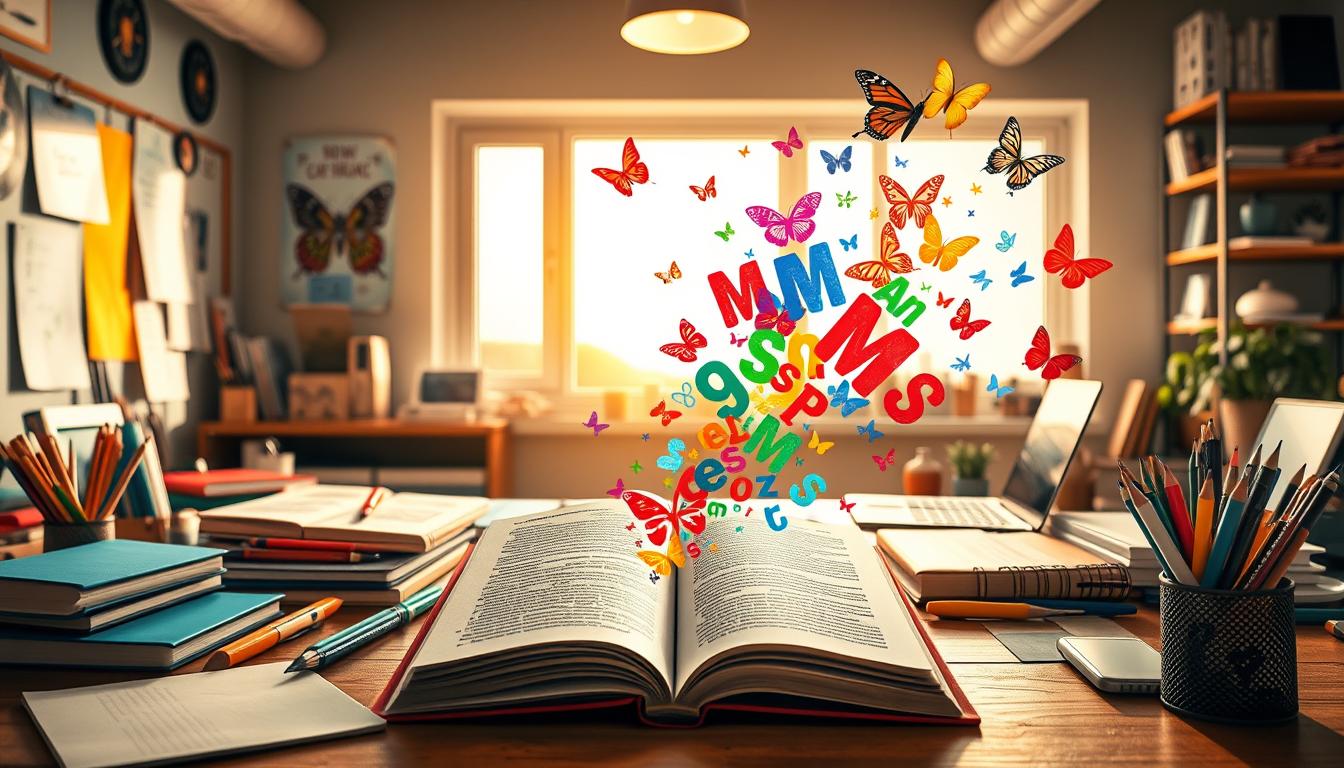 A vibrant, uplifting scene depicting a diverse workspace filled with creative tools like notebooks, laptops, and art supplies. In the background, a window reveals a bright sunrise symbolizing new beginnings. The foreground includes an open book with swirling colorful letters and symbols transforming into butterflies, representing the journey from challenges to success. The overall atmosphere is empowering and inspiring, radiating positivity and triumph over dyslexia.
Content Creation StrategiesBenefits
Adapting to individual strengths and weaknesses
Improved productivity and efficiency
Developing strong research and communication skills
Enhanced quality of work and client satisfaction
Leveraging technology and tools to support writing
Increased accuracy and speed of content creation
The Unexpected Benefits of Dyslexic Thinking in Content Creation
Dyslexic thinking brings a unique view to content creation. It offers creative benefits that make content better. Content creators can come up with new ideas and approaches.
Some benefits of Dyslexic thinking in content creation include:
Enhanced creativity, leading to more engaging content
Stronger storytelling, capturing the audience's attention
Improved client communication, leading to better understanding and collaboration
By using these benefits, content creators can make high-quality content that connects with their audience. As content creationgrows, recognizing Dyslexic thinking's value is key. It drives innovation and creativity.
Dyslexic thinking is a valuable asset in content creation. It offers a fresh perspective and new ideas. By embracing this unique thinking style, content creators can excel and achieve more success.
Creating a Support System: Mentors, Communities, and Resources
Being a content creator with dyslexia means you need a strong support system. This includes mentors, writing communities, and educational resources. A good support system gives you the tools and guidance to beat challenges and reach your goals.
Writing communities are a big part of a support system. They let writers share their work, get feedback, and meet others who face similar issues. Online places like Writing.com or NaNoWriMo are full of resources and support for writers with dyslexia.
Benefits of Online Writing Communities
Connect with other writers who face similar challenges
Share work and receive feedback
Access to educational resources and writing guides
Also, educational resources are key for a support system. These can be online courses, writing guides, and tutorials. They help writers learn new skills and tackle dyslexia challenges. A strong support system, with writing communities and educational resources, is crucial for writers with dyslexia to thrive.
By using these resources, writers with dyslexia can build a solid support system. This system helps them reach their goals and do well in their careers. With the right support, writers with dyslexia can beat their challenges and create great content.
ResourceDescription
Writing.com
Online writing community with resources and feedback
NaNoWriMo
Annual writing challenge with community support
Online courses
Educational resources for writing and dyslexia
Advice for Aspiring Content Creators with Learning Differences
If you're facing challenges like dyslexia in content creation, I've got career advice for you. It's important to use your unique strengths and view. This way, you can create content that stands out.
Success comes from focusing on your strengths and finding ways to overcome weaknesses. Here are some tips to help you:
Identify your strengths and passions, and use them to drive your content creation
Develop a support system, including mentors, peers, and resources that can help you navigate challenges
Stay open to new tools and technologies that can help you streamline your workflow and improve your productivity
Your learning differences are not limits but chances to see things differently. By embracing your uniqueness and using smart content creation strategies, you can have a rewarding career.
Remember, career advice is personal. What works for others might not work for you. Stay true to yourself and your vision. Be ready to change and grow as you learn.
Conclusion: Embracing Your Unique Path to Success
As we reach the end of this journey, it's clear that dyslexia is not a barrier to career success. It's a chance to develop exceptional content creation skills. The dyslexia success story shows the power of embracing uniqueness and finding creative solutions.
There's no one-size-fits-all path to success. By using the benefits of dyslexic thinking, you can find your own way in content creation. Embrace your unique view, use available tools, and find support from mentors and peers.
. differences are not obstacles, but qualities that make you stand out. Believe in yourself, stay persistent, and let your passion guide you. The journey may have ups and downs, but with determination, you can overcome any obstacle and achieve your dreams.
FAQ
What is the author's personal story of overcoming dyslexia to become a successful content creator?
The author talks about their journey with dyslexia. They share how it affected their school days and writing dreams. They explain the challenges and how they found ways to succeed in content creation.
How did the author leverage their dyslexic thinking to their advantage in content creation?
The author explains how dyslexia helped them think creatively. They talk about the visual thinking and problem-solving skills it gave them. They show how these skills help in content creation.
What tools and technologies did the author use to overcome the challenges of dyslexia in their content creation journey?
The author talks about the tools they used, like writing software and voice-to-text solutions. They discuss the good and bad of these tools, helping others understand their options.
How did the author build a successful writing career despite their dyslexia?
The author shares their strategies for success. They talk about their writing and editing methods, and how they communicate with clients. They offer insights into the skills needed to succeed in content creation, even with dyslexia.
What advice does the author have for aspiring content creators with learning differences?
The author gives advice to those with learning differences. They encourage using strengths, building a support system, and overcoming challenges. Their goal is to inspire and motivate others to follow their content creation dreams.
What are the unexpected benefits of dyslexic thinking in content creation?
The author talks about the creative and storytelling strengths of dyslexic thinking. They challenge readers to see dyslexia as a strength, not a weakness, in content creation.
How can individuals with dyslexia create a support system for their content creation journey?
The author stresses the need for a support system. They mention online communities, professional networks, and educational resources. They provide a detailed look at the support options available for those with dyslexia’s


Comments
Post a Comment