Can Dyslexia Be a Superpower in STEM? Though not officially diagnosed, many historians and scientists believe Albert Einstein, the renowned physicist who revolutionized our understanding of the universe, exhibited signs of dyslexia. He once said, "Imagination is more important than knowledge." This captures a powerful truth about the dyslexic mind, particularly in STEM fields. While dyslexia presents certain challenges, it also fosters unique cognitive strengths that can be invaluable in science, technology, engineering, and mathematics. Affecting an estimated 5-10% of the population, dyslexia is more common than many realize, and its presence in STEM fields is notable. This article explores the fascinating intersection of dyslexia and STEM, debunking myths and highlighting the incredible potential of dyslexic individuals in these fields. We'll delve into the specific cognitive advantages, explore strategies for overcoming challenges, and showcase inspiring stories of dyslexic innovators who are changing the world. A vibrant, abstract representation of the intersection between dyslexia and STEM fields, featuring a brain with colorful neural pathways intertwined with gears, mathematical symbols, and scientific instruments. Emphasize creativity and innovation with swirling patterns and dynamic shapes, portraying the unique cognitive processes of individuals with dyslexia thriving in technology and engineering. The Dyslexic Advantage in STEM Dyslexia and STEM are not mutually exclusive; in fact, many STEM experts are dyslexic. The secret to success is using the strengths of the dyslexic brain, like creative problem-solving and spatial thinking. With the right support, dyslexic individuals can shine in STEM education. Dyslexic individuals often excel at tasks like recognizing patterns in complex data sets, visualizing 3D models, and mentally manipulating objects in space. These skills are key in STEM careers where you need to solve problems creatively and think critically. For example, research suggests that dyslexic individuals often have an enhanced ability to mentally rotate objects, a skill crucial for architects and engineers. Their ability to see the "big picture" can be invaluable in fields like systems analysis or project management. The science of dyslexic thinking is fascinating. Dyslexic people often use visual and spatial skills more than words. This gives them a unique way to solve problems, which is a significant asset in STEM fields. Research has found several strengths in dyslexic people, including: Enhanced spatial reasoning and visual processing: This allows dyslexic individuals to excel in fields like architecture, engineering, and design, where visualizing and manipulating 3D structures is crucial. Improved pattern recognition and problem-solving abilities: Dyslexic individuals often see patterns and connections that others might miss, leading to innovative solutions in fields like data analysis, computer programming, and scientific research. Increased creativity and innovative thinking: Thinking outside the box comes naturally to many dyslexic individuals, which can be a catalyst for groundbreaking discoveries and inventions in STEM. Dyslexic people are good at finding patterns and solving complex problems. They think visually and spatially, not just with words. This makes them valuable in STEM fields and helps drive innovation. Dyslexic Role Models in STEM Many successful people in STEM have dyslexia. They are dyslexic role models in STEM and inspire others to explore STEM careers. Albert Einstein and Elon Musk are famous for their significant contributions to science and technology. Did you know that the founder of SpaceX, Elon Musk, is dyslexic? These individuals used their special talents to succeed. They show that dyslexia can be a plus in STEM. Their stories remind us to value neurodiversity and support dyslexic people in STEM careers. Here are a few more examples: Henry Ford, who revolutionized the automotive industry with his innovative assembly line production methods, was dyslexic. Steve Jobs, co-founder of Apple, attributed his dyslexia to his ability to think differently and challenge conventional norms, leading to groundbreaking innovations in technology. Nikola Tesla, a brilliant inventor and engineer who pioneered advancements in electricity and wireless communication, was also dyslexic. These people have made big impacts in their fields. They show the power of dyslexic role models in STEM to lead innovation and progress. By embracing their dyslexia and using their unique strengths, these individuals have achieved great success. They have opened doors for others to follow their path. Overcoming Challenges in STEM Education and Careers People with dyslexia often struggle with STEM learning difficulties, especially in math. This can make STEM careers seem out of reach. But with the right approach and support systems, these hurdles can be cleared. Creating a supportive environment is key for dyslexic individuals to thrive in STEM fields. Studies show that inclusive STEM education helps dyslexic students succeed. Schools can make things fairer by offering resources and accommodations. Effective ways to tackle dyslexia and math challenges in STEM include: Using assistive technology, such as text-to-speech software like Kurzweil 3000, to aid with reading and writing tasks. Visual learning tools like Inspiration can help with organizing and understanding complex information. Breaking down complex problems into smaller, more manageable parts. Seeking support from mentors or peers who have experienced similar challenges. Mentorship programs are vital for dyslexic students in STEM. They offer guidance, encouragement, and insights into the industry. Here are some examples: Pairing dyslexic students with mentors who have faced similar challenges. Providing access to career counseling and coaching. Offering workshops and training on time management and organization. Professional networks and resources are also very helpful for dyslexic STEM professionals. They include online communities and forums for connecting with others who face similar issues. By supporting dyslexic students in STEM, we build a more diverse and welcoming STEM community. Neurodiversity in STEM: The Future of Innovation Looking ahead, neurodiversity in STEM will be key to innovation. By empowering dyslexic minds, we unlock unique skills and perspectives. These can help solve tough problems. Studies show neurodiverse people, like those with dyslexia, solve problems differently. They think critically in new ways. Neurodiversity in STEM brings many benefits: More creativity and innovation: Diverse teams with a mix of cognitive styles are more likely to generate innovative solutions and approach problems from multiple angles. Better problem-solving: Dyslexic individuals often possess a unique ability to see the "big picture" and connect seemingly disparate ideas, leading to breakthroughs in problem-solving. Diverse thoughts and views: A neurodiverse STEM community fosters a richer exchange of ideas and perspectives, driving progress and innovation. By welcoming neurodiversity in STEM and empowering dyslexic minds, we make STEM more inclusive. This diversity leads to new discoveries and breakthroughs. It's vital to support dyslexic individuals in STEM. This way, we can fully utilize and empower dyslexic minds, making the future of STEM brighter. A vibrant and dynamic representation of a brain merging with various STEM elements, such as gears, circuit boards, and mathematical symbols, surrounded by colorful, swirling patterns of creativity; the brain's pathways illuminated with bursts of light, symbolizing innovative thought processes, while abstract shapes and designs flow outward, illustrating imaginative problem-solving and the unique perspectives of individuals with dyslexia. Conclusion Dyslexic individuals have a superpower in STEM fields. They excel in spatial reasoning and problem-solving. These skills can lead to major breakthroughs in science, technology, engineering, and mathematics. The future of STEM is bright with neurodiversity. Dyslexic minds bring unique perspectives and talents. With the right support and accommodations, we can see a new wave of creativity and innovation. If you're dyslexic and interested in STEM careers, or if you're already in the field, the path is clear. Embrace your unique cognitive style. It will lead you to a rewarding and impactful career in STEM. Explore resources like [insert relevant organization or website], connect with the dyslexic community, and advocate for inclusive STEM education. FAQ What are the cognitive strengths of dyslexic individuals that can be leveraged in STEM fields? Dyslexic people often shine in spatial reasoning, pattern recognition, and solving problems. These skills are key in STEM fields. They help in visualizing complex systems and solving problems in new ways. Can you provide examples of famous dyslexic scientists and engineers who have made significant contributions to the world? Absolutely! Albert Einstein and Elon Musk are great examples. Einstein was a top physicist, and Musk led companies like Tesla and SpaceX. They used their unique thinking to make big changes in their fields. How can assistive technology help dyslexic individuals succeed in STEM careers? Assistive tech offers many tools for dyslexic STEM professionals. There are text-to-speech solutions, visual learning tools, and math apps. These tools help overcome learning hurdles and excel in STEM careers. What strategies can dyslexic individuals use to overcome challenges in STEM learning and careers? Dyslexic individuals can use their problem-solving and creative thinking skills. Assistive technology and a supportive network are also key. Advocating for inclusive education and workplace accommodations helps them thrive. How can dyslexic individuals contribute to the future of STEM industries through their unique cognitive abilities? Dyslexic individuals can bring innovation and creativity to STEM. Their outside-the-box thinking and problem-solving skills are invaluable. By embracing neurodiversity, STEM fields can unlock new discoveries and advancements.
Can Dyslexia Be a Superpower in STEM?
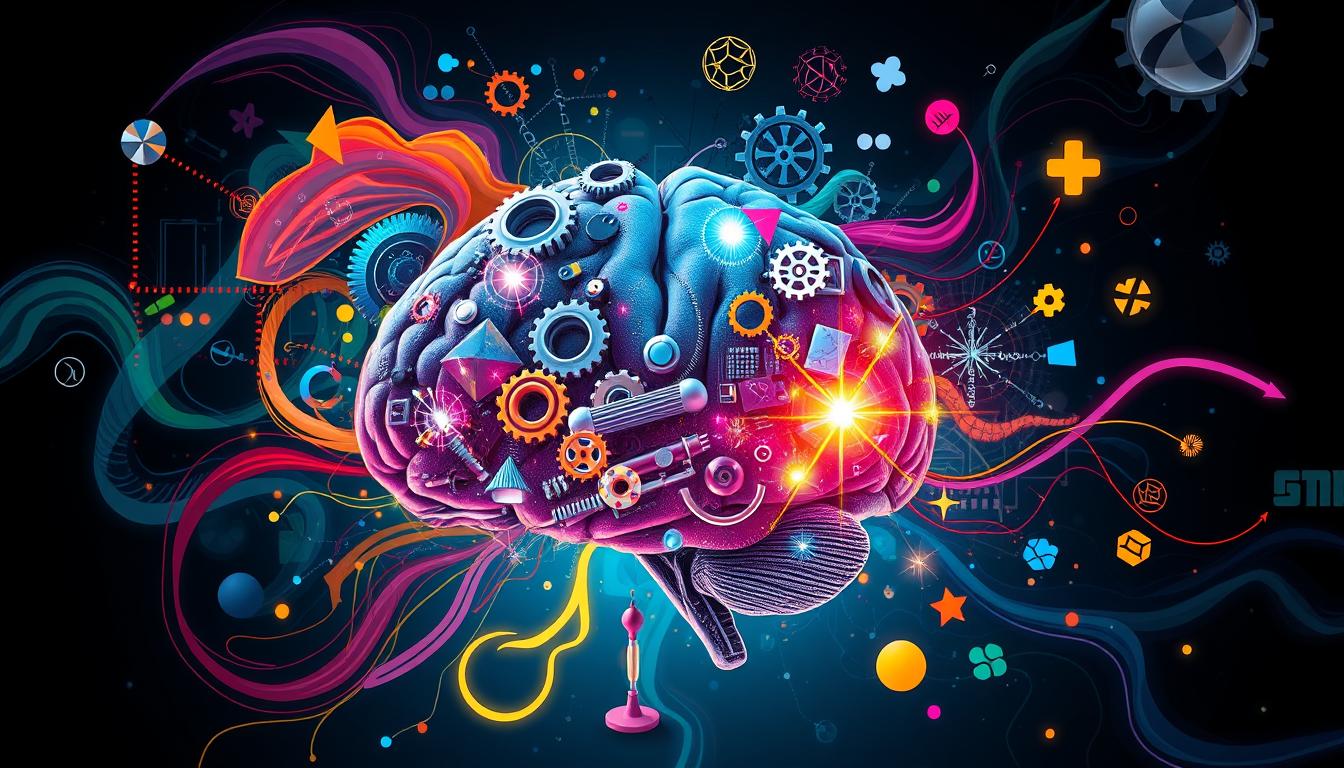
Though not officially diagnosed, many historians and scientists believe Albert Einstein, the renowned physicist who revolutionized our understanding of the universe, exhibited signs of dyslexia. He once said, "Imagination is more important than knowledge." This captures a powerful truth about the dyslexic mind, particularly in STEM fields. While dyslexia presents certain challenges, it also fosters unique cognitive strengths that can be invaluable in science, technology, engineering, and mathematics. Affecting an estimated 5-10% of the population, dyslexia is more common than many realize, and its presence in STEM fields is notable. This article explores the fascinating intersection of dyslexia and STEM, debunking myths and highlighting the incredible potential of dyslexic individuals in these fields. We'll delve into the specific cognitive advantages, explore strategies for overcoming challenges, and showcase inspiring stories of dyslexic innovators who are changing the world.
The Dyslexic Advantage in STEM
Dyslexia and STEM are not mutually exclusive; in fact, many STEM experts are dyslexic. The secret to success is using the strengths of the dyslexic brain, like creative problem-solving and spatial thinking. With the right support, dyslexic individuals can shine in STEM education.
Dyslexic individuals often excel at tasks like recognizing patterns in complex data sets, visualizing 3D models, and mentally manipulating objects in space. These skills are key in STEM careers where you need to solve problems creatively and think critically. For example, research suggests that dyslexic individuals often have an enhanced ability to mentally rotate objects, a skill crucial for architects and engineers. Their ability to see the "big picture" can be invaluable in fields like systems analysis or project management.
The science of dyslexic thinking is fascinating. Dyslexic people often use visual and spatial skills more than words. This gives them a unique way to solve problems, which is a significant asset in STEM fields. Research has found several strengths in dyslexic people, including:
- Enhanced spatial reasoning and visual processing: This allows dyslexic individuals to excel in fields like architecture, engineering, and design, where visualizing and manipulating 3D structures is crucial.
- Improved pattern recognition and problem-solving abilities: Dyslexic individuals often see patterns and connections that others might miss, leading to innovative solutions in fields like data analysis, computer programming, and scientific research.
- Increased creativity and innovative thinking: Thinking outside the box comes naturally to many dyslexic individuals, which can be a catalyst for groundbreaking discoveries and inventions in STEM.
Dyslexic Role Models in STEM
Many successful people in STEM have dyslexia. They are dyslexic role models in STEM and inspire others to explore STEM careers. Albert Einstein and Elon Musk are famous for their significant contributions to science and technology. Did you know that the founder of SpaceX, Elon Musk, is dyslexic?
These individuals used their special talents to succeed. They show that dyslexia can be a plus in STEM. Their stories remind us to value neurodiversity and support dyslexic people in STEM careers. Here are a few more examples:
- Henry Ford, who revolutionized the automotive industry with his innovative assembly line production methods, was dyslexic.
- Steve Jobs, co-founder of Apple, attributed his dyslexia to his ability to think differently and challenge conventional norms, leading to groundbreaking innovations in technology.
- Nikola Tesla, a brilliant inventor and engineer who pioneered advancements in electricity and wireless communication, was also dyslexic.
These people have made big impacts in their fields. They show the power of dyslexic role models in STEM to lead innovation and progress. By embracing their dyslexia and using their unique strengths, these individuals have achieved great success. They have opened doors for others to follow their path.
Overcoming Challenges in STEM Education and Careers
People with dyslexia often struggle with STEM learning difficulties, especially in math. This can make STEM careers seem out of reach. But with the right approach and support systems, these hurdles can be cleared.
Creating a supportive environment is key for dyslexic individuals to thrive in STEM fields. Studies show that inclusive STEM education helps dyslexic students succeed. Schools can make things fairer by offering resources and accommodations.
Effective ways to tackle dyslexia and math challenges in STEM include:
- Using assistive technology, such as text-to-speech software like Kurzweil 3000, to aid with reading and writing tasks. Visual learning tools like Inspiration can help with organizing and understanding complex information.
- Breaking down complex problems into smaller, more manageable parts.
- Seeking support from mentors or peers who have experienced similar challenges.
Mentorship programs are vital for dyslexic students in STEM. They offer guidance, encouragement, and insights into the industry. Here are some examples:
- Pairing dyslexic students with mentors who have faced similar challenges.
- Providing access to career counseling and coaching.
- Offering workshops and training on time management and organization.
Professional networks and resources are also very helpful for dyslexic STEM professionals. They include online communities and forums for connecting with others who face similar issues. By supporting dyslexic students in STEM, we build a more diverse and welcoming STEM community.
Neurodiversity in STEM: The Future of Innovation
Looking ahead, neurodiversity in STEM will be key to innovation. By empowering dyslexic minds, we unlock unique skills and perspectives. These can help solve tough problems. Studies show neurodiverse people, like those with dyslexia, solve problems differently. They think critically in new ways.
Neurodiversity in STEM brings many benefits:
- More creativity and innovation: Diverse teams with a mix of cognitive styles are more likely to generate innovative solutions and approach problems from multiple angles.
- Better problem-solving: Dyslexic individuals often possess a unique ability to see the "big picture" and connect seemingly disparate ideas, leading to breakthroughs in problem-solving.
- Diverse thoughts and views: A neurodiverse STEM community fosters a richer exchange of ideas and perspectives, driving progress and innovation.
By welcoming neurodiversity in STEM and empowering dyslexic minds, we make STEM more inclusive. This diversity leads to new discoveries and breakthroughs. It's vital to support dyslexic individuals in STEM. This way, we can fully utilize and empower dyslexic minds, making the future of STEM brighter.
Conclusion
Dyslexic individuals have unique strengths that can be superpowers in STEM fields. They often excel in spatial reasoning, pattern recognition, and problem-solving – skills that can lead to major breakthroughs in science, technology, engineering, and mathematics. The future of STEM is bright with neurodiversity; dyslexic minds bring unique perspectives and talents to the table. With the right support and accommodations, we can unlock a new wave of creativity and innovation.
If you're dyslexic and interested in STEM careers, or if you're already in the field, embrace your unique cognitive style. It can lead you to a rewarding and impactful career in STEM. Explore resources like [insert relevant organization or website], connect with the dyslexic community, and advocate for inclusive STEM education.


Comments
Post a Comment